Planning a Kenya safari is exciting, but the details can feel overwhelming, especially when English is not your first language. Most online advice targets English speakers, and Italian travelers face a different problem. Operator-run pages in Italian are sales pages with thin details, while Italian travel blogs cover visas but rarely explain the real differences between parks. This is TouringInsights Kenya safari planning for Italian speakers: honest, practical advice without a sales pitch. TouringInsights is an editorial guide. We help you compare options, not book trips.
What Does TouringInsights Kenya Safari Planning for Italian Speakers Cover?
This guide walks through seasons, parks, visas, costs, and language support, in the order a first-time visitor actually needs them. If you want the full detail on Kenya’s best known reserve first, our complete guide to the Masai Mara is a good next stop before you keep reading.
Why Is the Masai Mara So Famous, and Is It Worth the Hype?
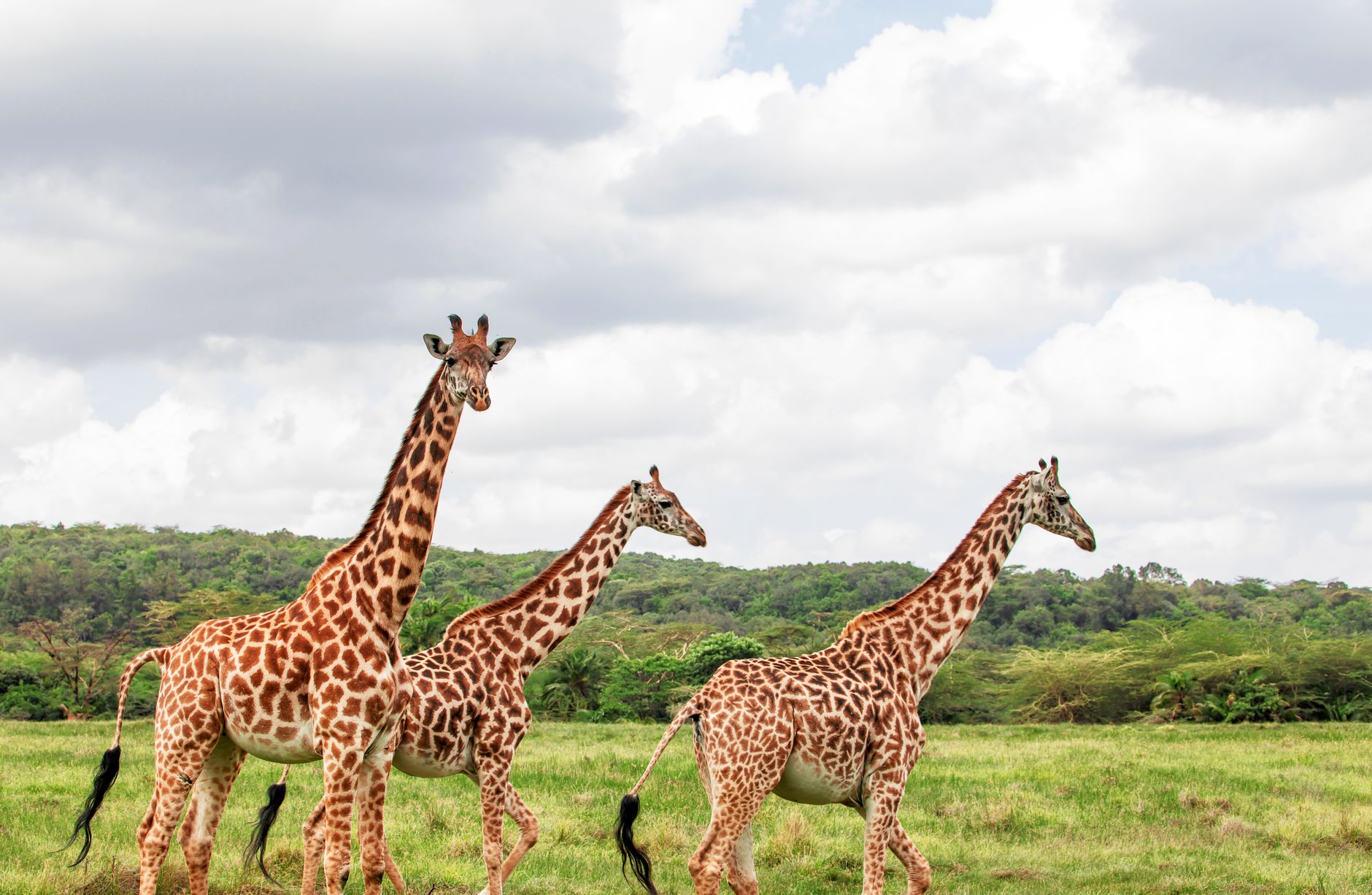
The Masai Mara is the anchor of most first safaris, and its fame is earned. The rolling grasslands hold an extraordinary density of predators and plains game. From July to October, the wildebeest migration crosses the Mara River. This is a striking sight, but it is not the only reason to visit.
The busiest migration months bring crowds. Lodges fill up, and vehicles gather at river crossings. If you want a quieter experience, consider June or November, when game viewing is often still strong but visitor numbers drop. January and February bring drier weather and easier predator sightings near the remaining water sources. Worth noting: the mass wildebeest calving happens mainly across the border in Tanzania’s southern Serengeti, around the Ndutu area, not in the Mara itself.
What Is the Best Time to Go for Italian Travelers?
You need to match your travel style to the season. Kenya has two rainy periods. The long rains fall from March to May. The short rains come in November. Many lodges close or lower their rates during the long rains.
- High season (July to October): Best for migration river crossings. Expect higher prices and more vehicles.
- Shoulder season (November): Good wildlife viewing and fewer crowds, though the short rains can start.
- Green season (March to May): Lush scenery, excellent birding, and many newborn animals. Some roads get muddy, and it is hot and humid. Rates are usually lower here than at other times of year.
- Dry, cooler season (December to February): Predator viewing tends to be strong as animals gather near water. Prices generally sit between the green season and the high season.
For most Italian first-timers, June or September to October offers the best balance of game viewing and weather. For a detailed month-by-month breakdown, check our guide on the best time to visit the Masai Mara.
Which Parks Should You Visit on a One Week Safari?
A week is short. You cannot see everything, and trying to do so creates long drives and little time for animals. A common mistake is hitting five parks in seven days. Resist that urge.
A solid one-week itinerary focuses on two, maybe three, areas with different habitats.
- Masai Mara (3 nights): For predators and the migration.
- Amboseli (2 nights): For elephants against Mount Kilimanjaro. The views are iconic.
- Lake Nakuru (1 night): For rhinos and flamingos, if you pass through.
If you prefer drier landscapes and less common species, swap Nakuru for Samburu. Samburu sits in Kenya’s dry north and is known for species adapted to arid country, including the reticulated giraffe and Grevy’s zebra. These animals also range across other northern reserves such as Buffalo Springs, Shaba, and nearby conservancies, but Samburu remains one of the more reliable places to see them. Our Samburu safari guide explains more.
If you want a quieter Mara experience, consider the private conservancies instead of the reserve itself. The Masai Mara vs Amboseli comparison can also help you decide between the two most famous parks.
Where Can You Find Italian Speaking Guides?
This is where many operator pages oversell. Fluent Italian guides exist, but they are not everywhere. You will find Italian-speaking drivers and guides most reliably in the Masai Mara and other top-tier areas. Larger, established lodges sometimes have multilingual staff. However, the standard safari guide speaks English and Swahili.
Do not assume an Italian guide is guaranteed. It is a specific request that often costs extra. Ask your operator to confirm the guide’s language level before you book. Some European agencies hire Italian-speaking tour leaders who accompany the group. This is different from a local guide who is Italian. The local guide knows the terrain and wildlife intimately. The tour leader handles logistics and translation. Both can be valuable.
If you book a private safari with a local operator, ask directly for an Italian-speaking driver-guide. Many local companies have a few on staff. They are often booked early, so plan months ahead.
Do You Need a Visa, and What About Vaccinations?
Yes, you need an entry document. Kenya uses an electronic Travel Authorization (eTA) system, and you apply online before you travel. The process is straightforward. The eTA costs about $30, a fixed government fee at the time of writing. Fees can change, so confirm the current amount when you apply. Apply at least a week before departure. The system asks for your passport, travel plans, and proof of accommodation.
For health, you need proof of yellow fever vaccination if you arrive from a country with risk. Most travelers from Europe and North America do not need it, but bring your card just in case. Malaria is a real risk outside Nairobi. Talk to your doctor about antimalarial medication. Other recommended vaccines include hepatitis A and typhoid. Pack mosquito repellent.
How Much Does a Safari Cost in Real Terms?
Prices vary widely. You can pay $150 per person per night, or $1,500. The difference depends on the lodge category, the season, and the level of privacy.
A realistic budget breakdown for a first-timer looks like this.
| Item | Budget (Indicative) | Mid-Range (Indicative) | Luxury (Indicative) |
|---|---|---|---|
| Lodging (per person per night) | $150 to $250 | $300 to $500 | $700 to $1,200 |
| Park fees (per person per day) | $70 to $100 | $70 to $100 | $70 to $100 |
| Transport and guide (per day) | $150 to $250 | $250 to $400 | $400 to $700 |
| Full day safari (all inclusive) | $250 to $400 | $400 to $700 | $800 to $1,500 |
Most park fees are set by the Kenya Wildlife Service (KWS). The Masai Mara is the main exception: it is a county-run reserve, and its fee is set by the Narok County Government, not KWS. That fee also runs higher than most KWS parks, roughly $100 per person per day from January to June and $200 per person per day from July to December, the peak migration season. Non-residents pay a daily fee that changes by park and season. The fees above are a general range for KWS parks, not a fixed price. Always confirm current rates with the park authority or your operator.
Safari costs often exclude international flights and tips. Budget for tips separately. A common guideline is $10 to $15 per person per day for the guide.
For a deeper breakdown of what drives costs, see our Kenya safari cost page.
Should You Book Through an Italian Agency or a Local One?
Both options work. Each has trade-offs.
- Italian or international agency: Easy communication. They handle flights, visas, and logistics in your language. You pay a premium, and sometimes the local ground operator is a sub-contractor you never meet.
- Local Kenyan operator: Lower price. Direct communication with the company that runs the safari. You get better knowledge of the local area. The risk is that paperwork and payment logistics can be trickier.
For a first-time safari, a well-reviewed local operator with good communication is often the best value. If you prefer the security of a European agency, that is fine too. Read recent reviews, not just the star rating. Look for comments from other Italian speakers about the booking process.
Can You Combine a Safari with a Beach Holiday?
Yes, this is a popular and sensible plan. The coast offers a completely different experience. Most itineraries start with a safari and end with a few days of relaxation on the beach. This works well because safari mornings involve early starts, and the beach is a good way to recover.
The main beach hubs are Diani, Watamu, and Malindi.
- Diani: White sand and clear water. A long beach with many accommodation options.
- Watamu: Smaller, with a marine park and excellent snorkeling.
- Malindi: An older resort town with a historic Italian connection.
Keep in mind that the coast has a different climate. The beach is generally best from December to March and June to September. If you combine with a migration safari, aim for July to October. The internal flight from the Mara to the coast takes about an hour. Driving takes a full day, so flying is usually the better choice. Our Diani beach guide has more detail on the best spots and the realities of the coast.
How Do You Get Around and What Should You Pack?
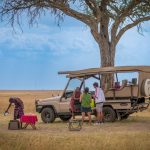
Most safaris use 4×4 Land Cruisers with pop-up roofs. These are essential for game driving. For long-distance travel between parks, internal flights save time. Roads in Kenya are improving, but safari areas are far apart. A flight from Nairobi to the Mara takes about 45 minutes. Driving takes five to six hours.
For packing, think layers. Mornings and evenings on safari are cool, even in the dry season. Days get hot. Neutral colors like khaki, beige, and olive work best. Avoid bright colors and camouflage. Bring a warm fleece or jacket, long trousers for evenings, and sturdy walking shoes. Binoculars are essential, and a camera with a good zoom lens helps too. See our full Kenya safari packing list for what to bring and what to leave behind.
Is a Safari Suitable for Families with Young Children?
Yes, but choose your itinerary carefully. Private safaris give you flexibility. Most lodges accept children, but some have age limits for game drives. Children under six often sit in the middle of the vehicle, away from the open sides. This is safer but limits the view.
Some camps offer dedicated children’s programs. These include bush walks and nature lessons. For younger kids, keep drives to three or four hours a day. The Mara and Amboseli are good choices. Both have easy access to Nairobi and plenty of family-friendly lodges.
Plan for downtime. Kids get tired of sitting in a car. A pool at the lodge is a big help. A ten-day trip is often easier than a seven-day trip for families, since the slower pace reduces fatigue.
The planning process for a Kenya safari does not need to be stressful. You have two main choices: the famous reserves, or the private conservancies beside them. The Masai Mara guide explains how these differ.
Where Can You Compare Safari Operators and Find More Planning Resources?
TouringInsights does not take bookings. Instead, compare safari operators on FindMySafari, which lists vetted companies and lets you filter by budget and style. You can also browse packages from Valley Safaris or Trunktrails Safaris. These platforms let you review itineraries and request quotes directly. Compare at least two or three operators before you decide, since prices and inclusions vary between them.
A few more resources cover related planning questions in more depth:
- Diani Beach guide from Trunktrails Safaris
- Best time to visit Kenya month-by-month map from Valley Safaris
- Diani Beach guide on FindMySafari
- Masai Mara Great Migration guide from Trunktrails Safaris
More safari planning resources
- Diani Beach guide from Trunktrails Safaris
- Best time to visit Kenya month-by-month map from Valley Safaris
- Diani Beach guide on FindMySafari
- Masai Mara Great Migration guide from Trunktrails Safaris
Related guides: Kenya Safari Planning for Tagalog Speakers: 2026 Guide.